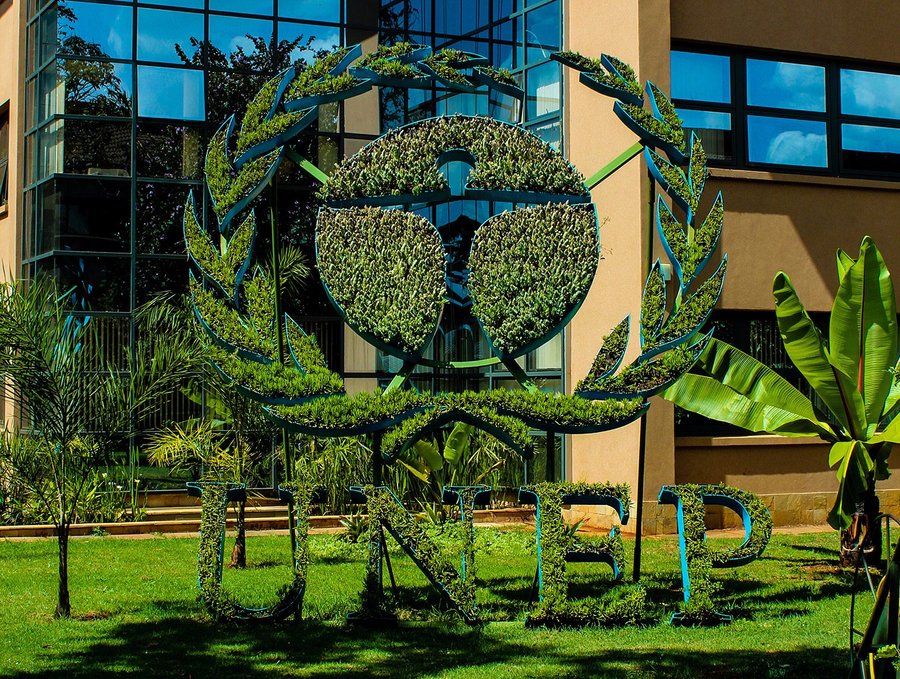
UNEP
“Okyanusların kirliliğinin deniz ekosistemleri, iklim dengesi ve sürdürülebilir kalkınma üzerindeki küresel etkileri.”
Birleşmiş Milletler Çevre Programı (UNEP) Komitesi, “Okyanusların kirliliğinin deniz ekosistemleri, iklim dengesi ve sürdürülebilir kalkınma üzerindeki küresel etkileri” gündemi çerçevesinde çevresel sorunların çok boyutlu yapısını ele almaktadır. Denizlere karışan plastik ve mikroplastik atıklar, endüstriyel ve tarımsal kaynaklı kimyasal kirlilik, petrol sızıntıları ve atık yönetimindeki yetersizlikler, okyanus ekosistemlerinde geri döndürülmesi zor tahribatlara yol açmaktadır. Bu süreç, deniz canlılarının yaşam alanlarını daraltırken aynı zamanda iklim sistemi ve küresel gıda düzeni üzerinde de kalıcı sonuçlar doğurmaktadır. Okyanusların sağlığındaki bozulma, özellikle kıyı devletleri ve ada ülkeleri için ekonomik kırılganlıkları artırırken, sürdürülebilir kalkınma hedeflerine ulaşılmasını da zorlaştırmaktadır. TEDMUN 26 kapsamında ikinci ve aynı zamanda son Türkçe komite olan UNEP, çevresel sorunların uluslararası boyutunu ele alan kapsamlı bir tartışma çerçevesi sunmaktadır.
Learn More
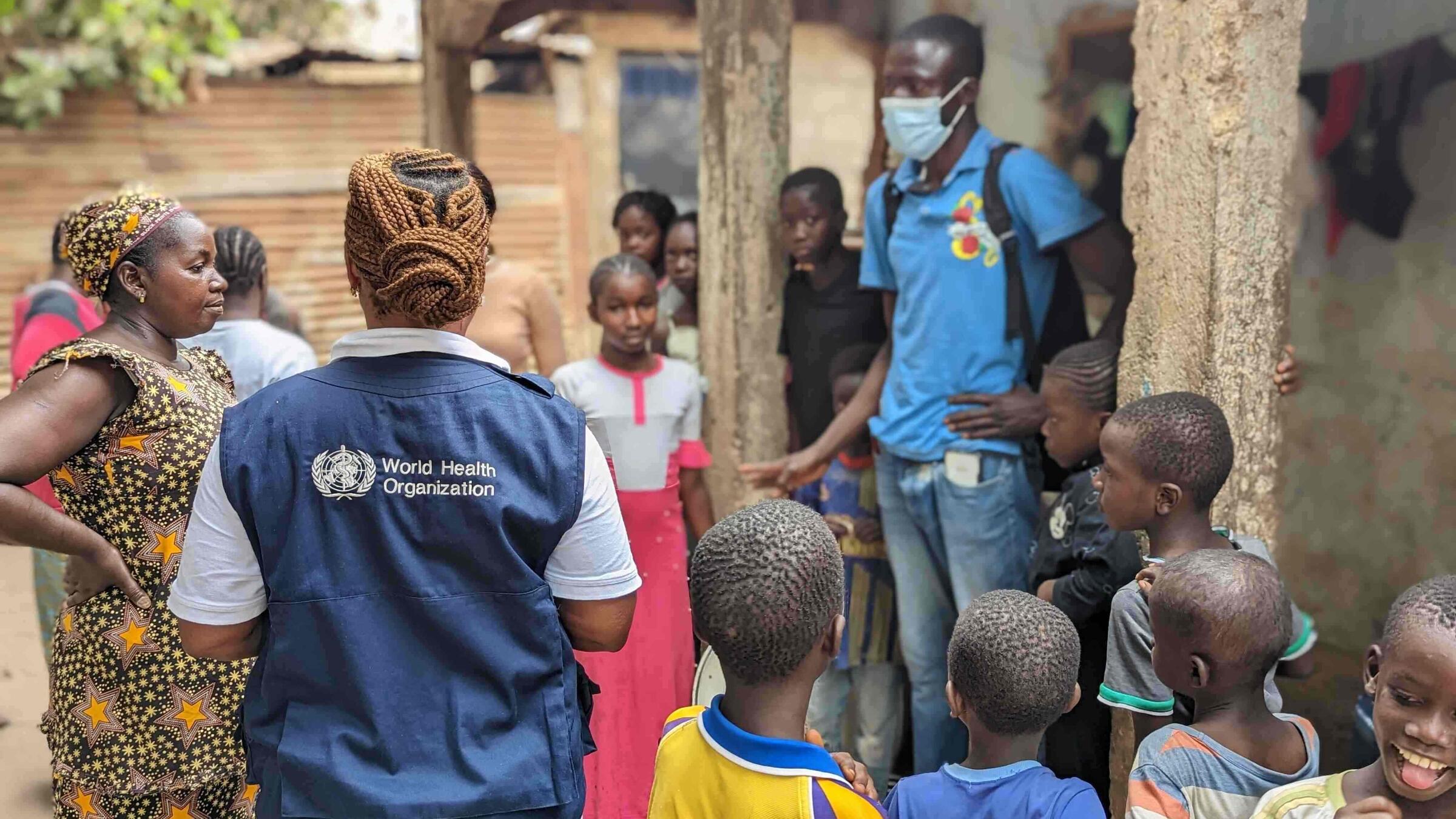
WHO
“Salgın hastalıklarla mücadele süreçleri ve sağlık hizmetlerine erişimdeki küresel eşitsizlikler.”
Dünya Sağlık Örgütü (WHO) Komitesi, “Salgın hastalıklarla mücadele süreçleri ve sağlık hizmetlerine erişimdeki küresel eşitsizlikler” gündemi etrafında küresel sağlık sistemlerinin karşı karşıya olduğu yapısal sorunları ele almaktadır. Salgın hastalıkların farklı ülkelerde farklı sonuçlar doğurması, sağlık altyapılarının kapasitesi, ekonomik imkânlar ve devletlerin kriz yönetimi yaklaşımlarıyla doğrudan ilişkilidir. Bu süreçte bazı toplumlar temel sağlık hizmetlerine hızla erişebilirken, bazıları için aşıya, ilaca ve nitelikli sağlık personeline ulaşmak ciddi bir sorun hâline gelmektedir. Komite kapsamında, küresel salgınlara verilen tepkiler, uluslararası sağlık politikaları, veri paylaşımı, erken uyarı sistemleri ve sınır aşan iş birliği mekanizmaları da tartışma alanı içinde yer almaktadır. Sağlık hizmetlerine erişimdeki eşitsizliklerin uzun vadede sosyal adalet, ekonomik istikrar ve kamu sağlığı üzerindeki etkileri, gündemin önemli boyutlarını oluşturmaktadır. TEDMUN 26 Sakarya’nın ilk komitesi olan WHO, aynı zamanda konferans kapsamındaki iki Türkçe komiteden biri olarak küresel sağlık sorunlarını çok boyutlu ve gerçekçi bir çerçevede ele alan kapsamlı bir tartışma zemini sunmaktadır.
Learn More
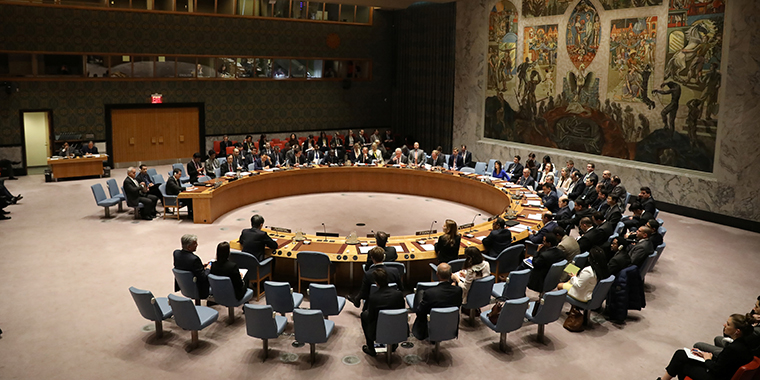
UNSC
“Discussing the global refugee crisis and its impact on international security.”
The United Nations Security Council (UNSC) Committee addresses the global refugee crisis and its impact on international security by examining the growing scale of forced displacement and its consequences for regional and global stability. Ongoing armed conflicts, internal unrest, and humanitarian crises have resulted in unprecedented levels of refugee movements, placing significant pressure on neighboring states and international systems. These dynamics raise concerns related to border management, national security, and the preservation of state sovereignty, particularly in regions where fragile political structures already exist.
Within this framework, the committee explores how refugee flows intersect with security challenges such as radicalization risks, transnational crime, and competition over limited resources. The role of host states, international organizations, and multilateral cooperation mechanisms is central to understanding how security concerns can be addressed while upholding humanitarian responsibilities. Attention is also given to burden-sharing among states, the legal obligations arising from international refugee law, and the long-term implications of displacement on peacebuilding efforts.
By approaching the refugee crisis through the mandate of the Security Council, the committee emphasizes preventive diplomacy, conflict resolution, and sustainable security strategies. Discussions aim to evaluate policy responses that balance immediate humanitarian needs with long-term international peace and security considerations, highlighting the complex and interconnected nature of displacement in the contemporary global order.
Learn More
ECOSOC
“Empowering Women’s Economic Participation as a Driver of Development.”
The Economic and Social Council (ECOSOC) Committee examines the role of women’s economic participation as a key driver of development, focusing on how inclusive economic systems contribute to long-term growth and social stability. Across different regions, structural barriers such as unequal access to education, employment opportunities, financial resources, and legal protections continue to limit women’s full participation in economic life.
Within this agenda, the committee addresses the connection between gender equality and economic resilience, highlighting how increased participation of women in the workforce strengthens productivity, innovation, and income distribution. Issues such as wage gaps, informal employment, access to entrepreneurship, and representation in decision-making processes form an essential part of the discussion. Special attention is given to the role of public policy, international cooperation, and development programs in reducing economic inequalities and creating inclusive labor markets.
By approaching women’s economic empowerment through the framework of ECOSOC, the committee emphasizes social development, economic justice, and institutional reform. The discussions aim to evaluate strategies that promote equal economic opportunities while supporting sustainable development goals, underlining the importance of gender-inclusive policies for long-term economic and social progress.
Learn More
HCC
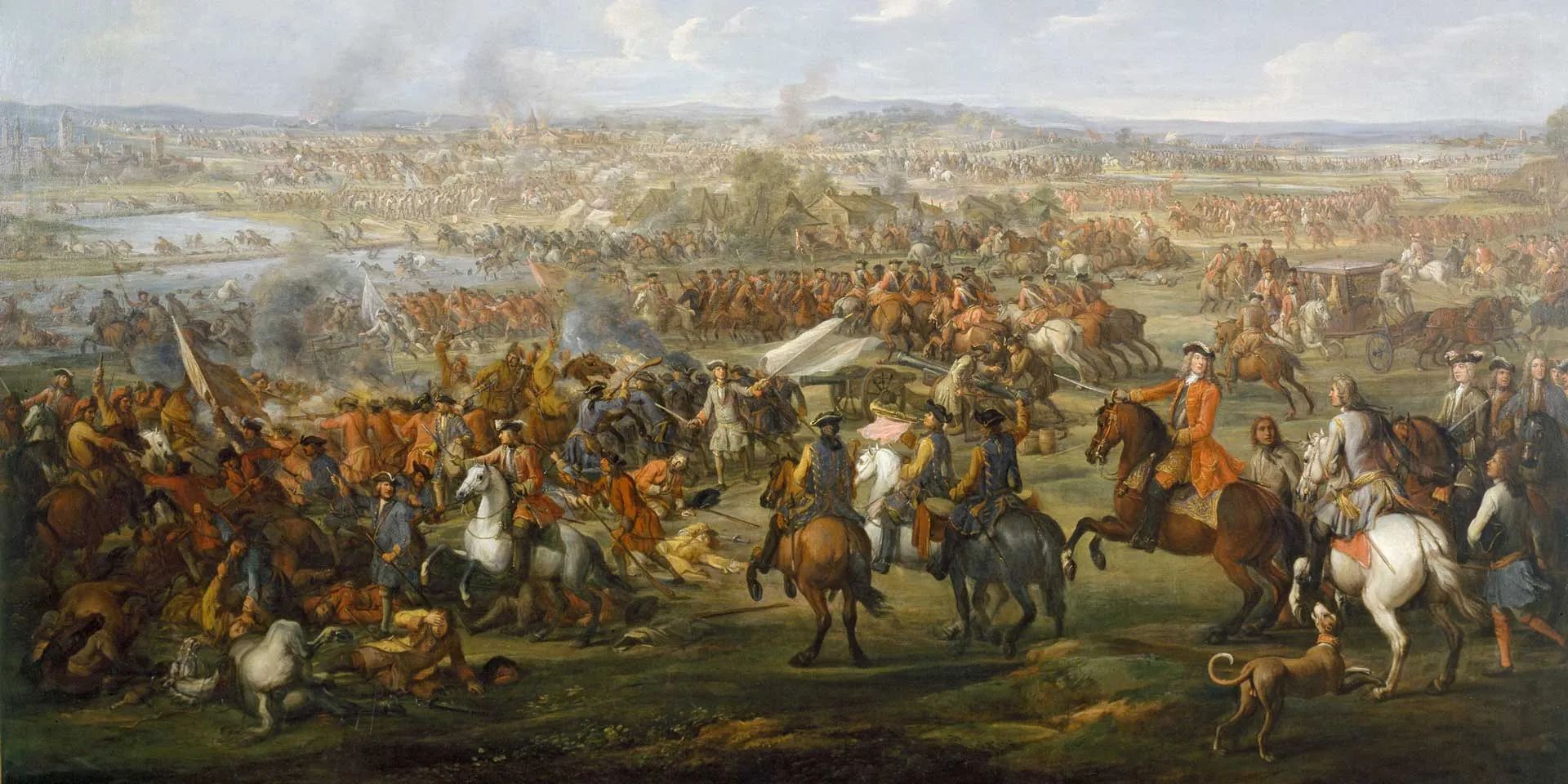
War of the Spanish Succession 1701-1714
The Historical Crisis Committee (HCC) examines the War of the Spanish Succession (1701–1714), a major European conflict that reshaped the balance of power in the early eighteenth century. Triggered by the death of the last Habsburg king of Spain without an heir, the war involved competing claims to the Spanish throne and drew in many of Europe’s leading powers, including France, Great Britain, the Dutch Republic, and the Holy Roman Empire. What began as a dynastic dispute quickly evolved into a wider struggle over territorial control, colonial influence, and political dominance.
Within this historical context, the committee explores diplomatic negotiations, shifting alliances, and military strategies that defined the course of the conflict. The war’s impact extended beyond Europe, affecting colonial possessions and global trade networks, and setting important precedents in international relations. The Treaty of Utrecht and related agreements marked a turning point by redefining sovereignty and limiting the concentration of power under a single monarchy.
By analyzing decision-making processes and power dynamics during the War of the Spanish Succession, the HCC provides insight into early modern statecraft and crisis management. Discussions focus on how historical choices influenced the development of the modern international system, emphasizing the long-term consequences of war, diplomacy, and political compromise.
Learn More
SOCHUM
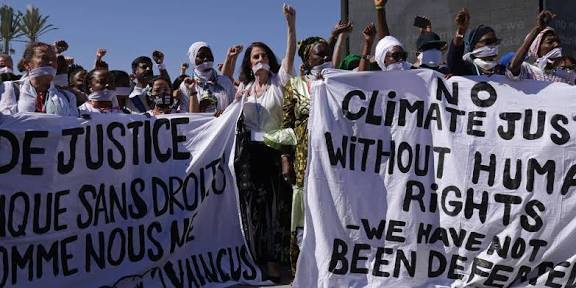
Protection of human rights and access to information during nationwide protests.
The Social, Humanitarian and Cultural Committee (SOCHUM) addresses the protection of human rights and access to information during nationwide protests, focusing on the balance between public order, fundamental freedoms, and state responsibility. In many regions, large-scale protests emerge as responses to political, economic, or social grievances, placing significant pressure on governments and institutions. During such periods, the protection of basic rights—including freedom of expression, peaceful assembly, and access to accurate information—becomes a critical challenge.
Within this framework, the committee examines issues such as restrictions on media freedom, internet shutdowns, censorship, and the use of force against protesters. The role of governments in ensuring transparency, accountability, and proportional responses is central to the discussion, as is the responsibility to protect civilians and journalists. SOCHUM also considers how misinformation, surveillance practices, and limitations on digital access can impact democratic participation and human rights during times of unrest.
By addressing nationwide protests through a human rights perspective, the committee highlights the importance of international legal standards, human rights monitoring mechanisms, and global cooperation. Discussions aim to evaluate policies that safeguard civil liberties while maintaining social stability, emphasizing the protection of human dignity and access to information as essential components of democratic societies.
Learn More
THE BANK ASSOSICATION OF TÜRKİYE
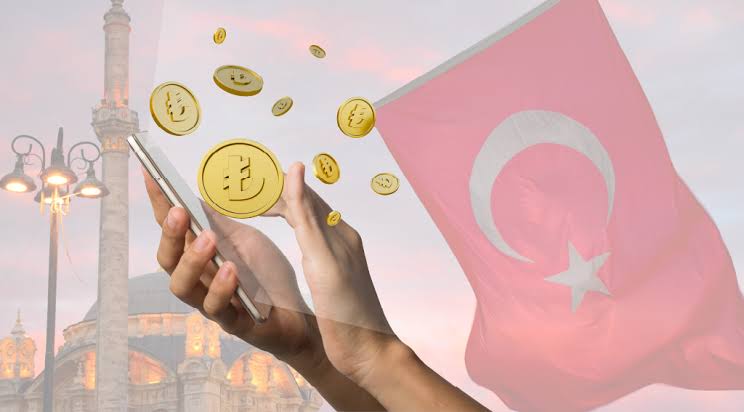
“Integration of blockchain technology, implementation of the Digital Turkish Lira, and legal regulation of cryptocurrency markets.”
The Banks Association of Türkiye Committee addresses the integration of blockchain technology, the implementation of the Digital Turkish Lira, and the legal regulation of cryptocurrency markets within the context of financial stability and economic governance. Rapid advancements in digital finance have transformed traditional banking systems, creating both new opportunities and significant regulatory challenges for states and financial institutions. Blockchain-based infrastructures, central bank digital currencies, and decentralized financial instruments are reshaping payment systems, monetary policy tools, and cross-border transactions.
Within this framework, the committee examines the role of the banking sector in adapting to digital transformation while maintaining trust, transparency, and systemic stability. The introduction of the Digital Turkish Lira raises critical questions regarding data security, monetary sovereignty, financial inclusion, and the relationship between public institutions and private financial actors. At the same time, the expansion of cryptocurrency markets highlights the need for comprehensive legal frameworks addressing consumer protection, market volatility, taxation, and the prevention of illicit financial activities.
By focusing on regulatory alignment, technological integration, and institutional responsibility, this committee provides a platform for evaluating how emerging financial technologies can be incorporated into existing economic systems. Discussions emphasize the balance between innovation and regulation, underscoring the importance of legal clarity and coordinated financial oversight in shaping the future of digital finance in Türkiye.
Learn More